Stone Rhythm: The Pulse of Eternity in Art and Design
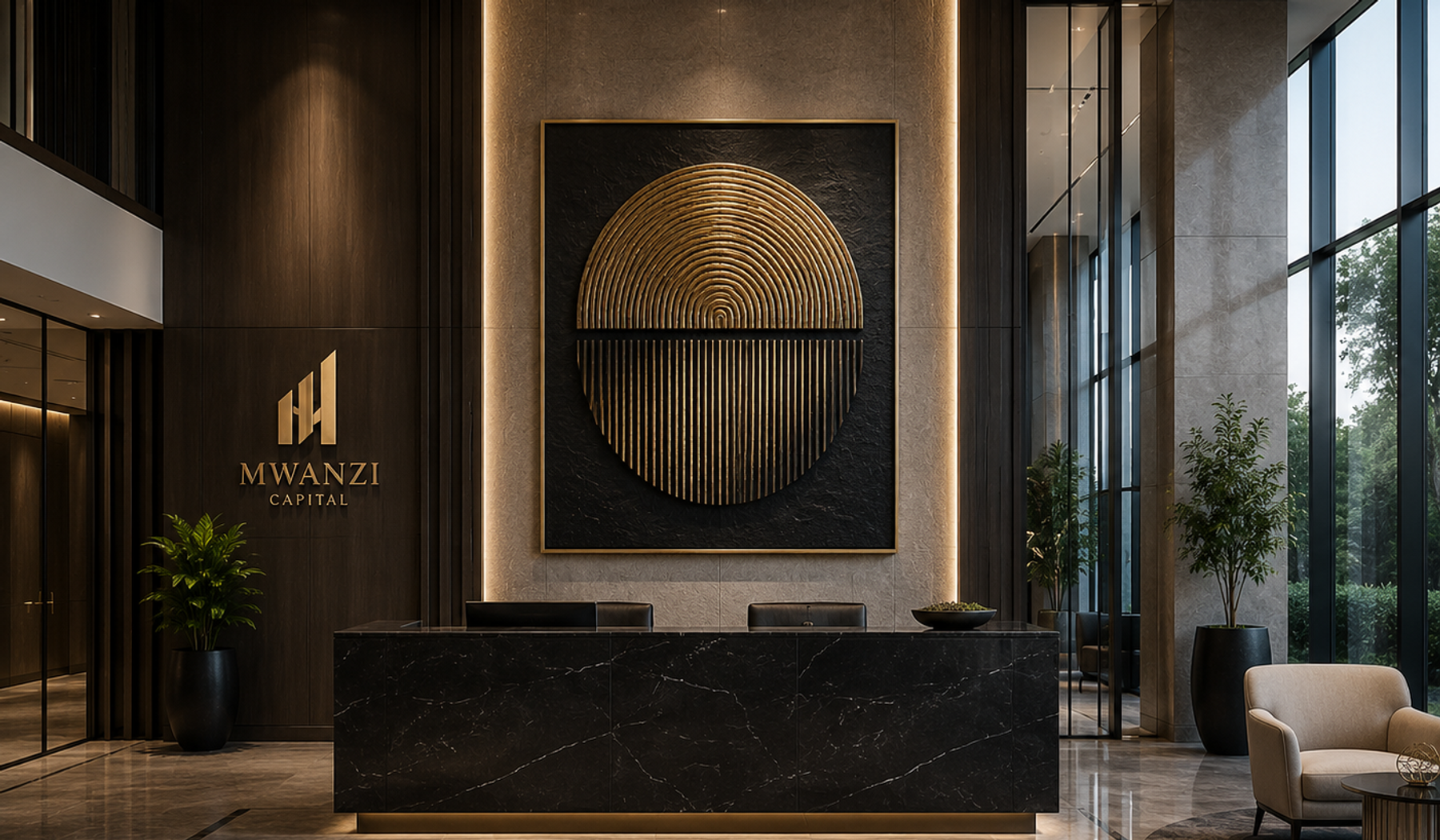
A textured neutral abstract with quiet movement and architectural depth.
Introduction: The Universal Language of Rhythm
Rhythm is everywhere. It is breath and heartbeat; it is the sound of a drum and the repetitive flint-carved lines in stone done by a prehistoric human being. This observation, drawn from the artistic research project Matter, Gesture, and Soul at the University of Bergen, captures the essence of what we might call "Stone Rhythm"—a concept that transcends any single medium or discipline.
The term "Stone Rhythm" does not refer to a single movement, artist, or style. Rather, it describes a recurring artistic and philosophical impulse: the attempt to capture, evoke, or embody rhythm through the medium of stone—or conversely, to discover the rhythmic qualities inherent in stone itself. From prehistoric cave engravings to contemporary digital art, from architectural facades to intricate stone carvings, the marriage of stone's permanence with rhythm's temporality has fascinated creators across cultures and millennia.
The Archaeological Roots: Rhythm Before Writing
The earliest expressions of Stone Rhythm date back to our Paleolithic ancestors. In the Fontainebleau Forest of France, prehistoric humans carved repetitive flint lines into stone—marks that were neither figurative nor semantic, but simply rhythmic. According to the French theorist Roland Barthes, both painting and writing began with this same gesture: an act of rhythmic marking that preceded meaning.
These ancient engravings represent something profound: the recognition that rhythm exists not only in sound and movement but can be inscribed into the most enduring of materials. The act of carving repetitive lines into stone was, in a sense, an attempt to make rhythm permanent—to capture the fleeting pulse of human experience in matter that would outlast generations.
Stone Rhythm in Contemporary Artistic Research
The concept has found new life in contemporary academic and artistic discourse. The 2022 publication Tracing Rhythm, produced by the Art Academy at the University of Bergen, brought together artists, archaeologists, and scholars to explore rhythm through the lens of stone. Contributors examined topics ranging from the rhythmic qualities of Paleolithic cave art to the haptic experience of drawing on sandstone.
This research project, titled Matter, Gesture, and Soul, approached rhythm not as an abstract musical concept but as a fundamental human gesture—one that connects us to our deepest past. The project's contributors started with "some engraved and painted lines drawn by our stone age ancestors in France and South Africa", tracing how this primal rhythmic impulse has evolved through human history.
Stone Carving: Rhythm Made Visible
Perhaps the most direct expression of Stone Rhythm can be found in the work of contemporary stone carvers. The artist known as "Stone Rhythm of Fate" (缘石韵), active on platforms like Douyin, exemplifies this approach. Working with raw rock, the artist reveals forms—such as a snake—carved entirely from a single stone, uncovering the figure "layer by layer without breaking the outer mass".
What makes this work particularly striking is the tension it creates: "The form feels suspended and alive within the rock, as if caught mid-movement". By preserving the surrounding stone, the artist transforms a rigid material into "a scene filled with tension and motion". Here, rhythm is not something added to the stone but something revealed from within it—a latent dynamism that the sculptor brings to light through careful restraint and technical mastery.
Architecture: Stone as Rhythmic Surface
In architecture, Stone Rhythm manifests as the use of stone to create rhythmic visual experiences. The Shanghai Museum East Building, designed by Professor Li Li and his team, offers a compelling example. Described as using "stone as paper and geometry as ink," the building's gray-white stone facade features vertical textures that "resemble the marks of time".
The building's mass stacks "like giant stones" but is broken by a suspended sky bridge that "gives dynamic tension to the static stone body". This interplay between solidity and movement, permanence and flow, is central to the architectural expression of Stone Rhythm. The facade's undulating quality—described as "like white waves, rippling with water"—subtly reflects the building's site as a "confluence of sea and land".
Inside, the architectural rhythm continues: "spiral wooden walkways wind like flowing water," while "metal railings collide with stone walls, blending cold hardness with warm softness". The elliptical skylight casts "geometric shadows" that shift with the sun's movement, creating a constantly changing rhythmic pattern of light and shadow.
Interior Design: The Commercial Expression
The concept has also found its way into commercial interior design. ARTE's "Stone Rhythm" project wallpaper features a zigzag pattern in extra-strong vinyl, combining matte and gloss finishes for a luxurious effect. Designed for hotels, restaurants, spas, and other commercial spaces, this product translates the Stone Rhythm concept into a repeatable, accessible design element.
While arguably a more superficial application of the concept, this commercial expression demonstrates the broad appeal of combining stone-like textures with rhythmic patterns—a testament to the enduring human attraction to this aesthetic marriage.
The Philosophical Dimension: Rhythm as Memory and Being
Beyond its various manifestations, Stone Rhythm carries philosophical weight. Rhythm, the scholars of Tracing Rhythm remind us, "is engraved in the depth of our minds and bodies. It is how we remember. It is in how we walk, how we talk, how we write, and how we act together".
The conjunction with stone is significant. Stone represents permanence, memory, and the deep time of geology. By combining rhythm with stone, artists and thinkers explore how the ephemeral pulse of human existence can be anchored in something enduring—how movement can be frozen, how sound can be made visible, how the flow of time can be captured in matter.